Category: Lifestyle Page 1 of 2

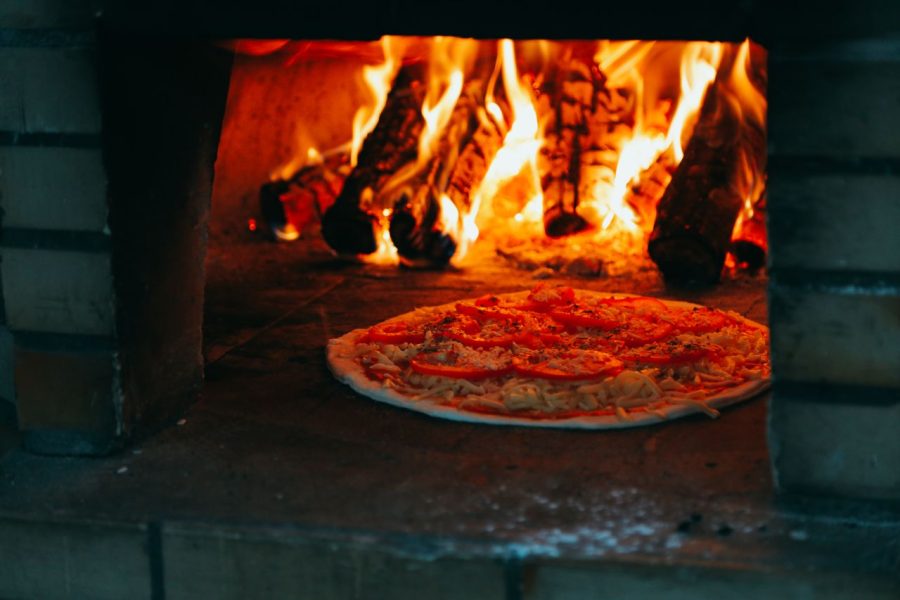
Pizza oven showing high cooking temperature

Pizza Oven Temperature: What You Need to Know

Choosing the right cooking temperature is one of the most important factors when making great pizza at home. While ingredients, dough preparation and cooking technique all matter, heat determines how quickly the base cooks, how the crust develops and how well the toppings come together. Understanding how temperature affects the cooking process makes it easier to achieve consistent results.

The ideal heat depends on the type of pizza being prepared, the oven design and the cooking surface being used. A traditional wood-fired pizza may require significantly higher temperatures than a thicker homemade pizza baked in a conventional outdoor oven. Because of these differences, there is no single temperature that works perfectly for every style.

For anyone comparing different pizza ovens, understanding temperature ranges is particularly useful. It helps with choosing suitable equipment, preparing the cooking surface and knowing when an oven is ready to use. It also reduces the temptation to rely entirely on guesswork when cooking at high heat.

Why Temperature Matters When Cooking Pizza

Pizza dough contains water, flour and other ingredients that react to heat during cooking. As the dough heats up, moisture begins to evaporate while the structure of the crust changes. At the same time, the outer surface develops colour and texture.

Temperature also influences how quickly these processes happen. A very hot oven can cook a thin pizza in a short period, helping the crust become crisp on the outside while remaining light and tender inside.

Lower temperatures generally require longer cooking times. This can work well for thicker bases or recipes with more substantial toppings, but the result will be different from a fast-baked, traditional-style pizza.

The balance between temperature and cooking time is therefore important. Increasing the heat does not automatically produce better pizza. The oven must be capable of distributing that heat effectively, and the dough and toppings need to suit the chosen cooking method.

Typical Temperatures for Different Pizza Styles

Different pizza styles are designed around different cooking conditions. A thin, traditionally inspired pizza is usually associated with very high temperatures and a short cooking time, while thicker homemade pizzas can benefit from more moderate heat.

Many high-temperature ovens are designed to operate in the range of approximately 400°C to 500°C or more. At these temperatures, thin pizzas can cook very quickly. Exact requirements vary according to the recipe, oven design and desired result.

For home cooking, temperatures around 250°C to 350°C can also produce excellent results when the dough and cooking method are suited to that range. The pizza may simply require more time to cook than one prepared in a very high-temperature oven.

Some useful general considerations include:

  • Thin bases generally suit higher cooking temperatures and shorter cooking times.
  • Thicker bases usually need more time for the centre to cook properly.
  • Pizzas with generous toppings may require a balance between browning the surface and cooking the base.
  • Different dough recipes can respond differently to the same oven temperature.

These ranges should be treated as practical guidelines rather than strict rules. Your oven’s design and the recipe being used can significantly change the ideal setting.

How Oven Design Affects Heat

Two ovens set to the same temperature may not cook pizza in exactly the same way. Heat can be transferred through direct contact with the cooking surface, hot air circulating around the pizza and radiant heat from the oven’s internal surfaces.

The cooking floor is particularly important. A properly heated stone, refractory surface or similar material can transfer substantial heat into the base of the pizza. This helps create a crisp underside while allowing the upper surface to cook from the surrounding heat.

Insulation also plays an important role. A well-insulated oven can retain heat more effectively, which can make temperature management easier during cooking. Poor heat retention may result in greater temperature fluctuations, particularly when the oven door is opened frequently.

The shape and size of the cooking chamber matter too. Compact ovens can heat rapidly, while larger cooking spaces may take longer to reach a stable temperature.

Why Preheating Is So Important

Preheating is more than simply allowing the air inside the oven to become hot. The cooking surface itself needs enough time to absorb and retain heat.

This is especially important when using a pizza stone or another heat-retaining surface. If the surface is not sufficiently heated, the top of the pizza may brown before the underside has developed the desired texture.

Preheating times vary considerably between appliances. A compact gas or electric oven may reach its target temperature relatively quickly, while a wood-fired model can require more time to heat the cooking chamber and floor evenly.

An oven thermometer can be useful because the temperature displayed by an appliance does not necessarily tell you the exact temperature at the cooking surface. Where appropriate, an infrared thermometer can also help check surface temperature without touching the hot material.

Managing Very High Temperatures

High-temperature cooking requires attention to both equipment and technique. Surfaces inside a hot oven can become extremely hot, and opening the oven can expose the user to intense heat.

Always follow the manufacturer’s instructions for operating the particular oven. Suitable heat-resistant equipment should be used when handling pizza, cookware or fuel around a hot cooking chamber.

When working with wood-fired equipment, fuel choice and fire management can influence the temperature substantially. Adding more fuel can increase heat, but uncontrolled flames may create excessive temperatures or uneven cooking conditions.

A few practical points are worth keeping in mind:

  • Keep combustible materials away from the hot oven and cooking area.
  • Use appropriate protective equipment when handling hot cookware.
  • Allow the oven to cool according to the manufacturer’s recommendations.
  • Never assume that an oven surface is safe to touch simply because the visible flame has disappeared.

Safe operation is particularly important when an oven is being used outdoors around children, pets or other people who may not recognise hot surfaces.

How to Tell When the Oven Is Ready

Temperature readings are useful, but the behaviour of the oven can provide additional clues. A properly preheated cooking surface should have had enough time to absorb heat rather than relying only on the surrounding air temperature.

For wood-fired ovens, the appearance and behaviour of the fire can help indicate that the chamber is becoming sufficiently hot. However, visual indicators should not replace proper temperature monitoring where accurate temperature control is important.

The pizza itself also provides feedback. If the underside is becoming dark very quickly while the toppings remain undercooked, the cooking surface may be too hot relative to the upper chamber. Conversely, a pale base combined with slow browning may indicate that the oven or cooking surface needs more heat.

Learning these signs takes practice. Small adjustments to cooking position, temperature and timing can make a noticeable difference.

Temperature Versus Cooking Time

Temperature and cooking time work together. A pizza cooked at a very high temperature may be ready in only a few minutes, whereas one baked at a lower temperature can require considerably longer.

This relationship is important because cooking for too long can dry out the crust. Cooking too quickly at excessive heat can burn the exterior before the interior has cooked sufficiently.

The thickness of the dough is another major factor. A thin crust can withstand a short, intense bake because there is less material to heat through. A thicker base needs sufficient time for heat to reach the centre.

Toppings matter as well. Fresh vegetables, meats and other ingredients contain varying amounts of moisture and may require different cooking conditions. Ingredients that release a lot of water can affect the texture of the finished pizza if the cooking process is not hot enough or sufficiently controlled.

Finding the Right Temperature for Your Oven

There is value in starting with the manufacturer’s recommended operating range and then adjusting the cooking process based on the type of pizza being prepared.

Keep the recipe consistent while experimenting. If the dough, toppings and cooking position all change at once, it becomes difficult to determine what caused an improvement or problem.

It can also help to pay attention to several results rather than judging the pizza by colour alone. Look at the underside, crust texture, topping condition and overall cooking time.

Over time, these observations can help establish a reliable routine for your particular equipment.

Choosing the Right Heat for the Recipe

The best cooking temperature should complement the recipe rather than being selected simply because it is the highest setting available. A delicate thin pizza and a thick, heavily topped pizza may need very different conditions.

Recipes designed for conventional kitchen ovens should not automatically be transferred to extremely high-temperature equipment without considering how quickly the dough and toppings will cook.

Similarly, recipes intended for high-temperature cooking may not produce the same texture when baked at a much lower temperature. Dough hydration, thickness and ingredients all influence how the pizza responds to heat.

Understanding this relationship makes temperature selection much more practical. Instead of searching for one universal number, consider the pizza style, oven type, cooking surface and desired finish together.

Getting Consistent Results

Consistency becomes easier when the main variables are controlled. Try to use similar dough portions, maintain a similar thickness and allow the cooking surface to reach an appropriate temperature before baking.

Avoid opening the oven unnecessarily. Every time the cooking chamber is opened, heat can escape, which may affect cooking conditions and recovery time.

The position of the pizza can matter too. Some areas of an oven may be hotter than others, particularly in wood-fired models. Rotating the pizza during cooking can help expose different sections to the heat and promote more even browning.

For home cooks, the goal does not need to be perfect temperature precision. What matters most is understanding how the oven behaves and matching its heat to the food being cooked.

Making Temperature Work for Better Pizza

Good pizza depends on more than reaching the highest possible temperature. The cooking surface, heat distribution, dough characteristics, toppings and cooking time all interact.

For pizza ovens, temperature should therefore be viewed as one part of a larger cooking system. Once the oven has been properly heated, the next step is learning how that heat transfers into the dough and toppings.

A little experimentation can reveal what works best for your particular setup. Pay attention to the results, make small adjustments and avoid changing several variables at the same time.

With a suitable temperature, adequate preheating and careful heat management, it becomes much easier to produce pizza with a well-cooked base, properly developed crust and evenly prepared toppings. The ideal setting may differ from one oven and recipe to another, but understanding the principles behind temperature makes the process far more predictable.
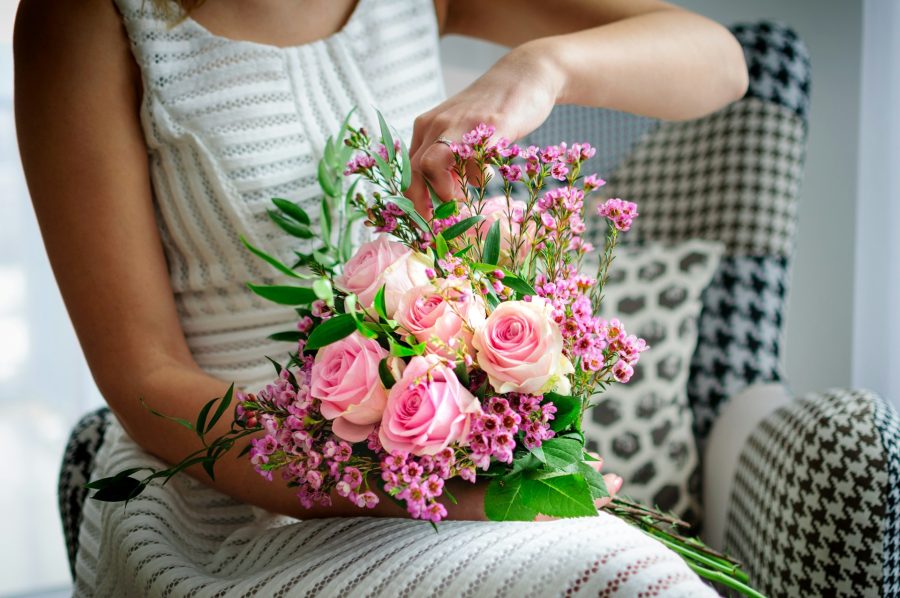

Sympathy flowers arranged to express condolences and support

Which Flowers Are Appropriate for Expressing Sympathy?

Choosing flowers to express sympathy can be a thoughtful way to show care and support after someone has experienced a loss. Flowers can communicate compassion when words feel difficult to find, while also offering a gentle reminder that the bereaved person is not facing a difficult time alone. The most appropriate choice often depends on the relationship with the family, the setting, and any known preferences.

Traditional sympathy flowers can carry different meanings, but there is no single arrangement that is suitable for every situation. Some flowers are associated with remembrance, peace, love, or hope, while others may simply be chosen because they are elegant and comforting. Personal circumstances should always be considered alongside traditional symbolism.

When selecting flowers, it is also important to think about where they will be received. An arrangement sent to a family home may be different from one intended for a funeral service, memorial gathering, or graveside tribute. A respectful, understated design is often a reliable choice when you are uncertain about what would be most appropriate.

White Flowers for Peace and Remembrance

White flowers are among the most traditional choices for expressing sympathy. Their clean, gentle appearance is often associated with peace, dignity, remembrance, and calm.

White lilies are particularly well known in funeral and memorial arrangements. Their delicate appearance can create a sense of serenity, making them suitable when the intention is to offer comfort without an overly elaborate display.

White roses are another versatile option. Roses can represent love and respect, while their white colour gives the arrangement a restrained and peaceful character.

White chrysanthemums are also used in funeral traditions in various parts of the world. Their meaning can differ between cultures, so it is worth considering the family’s background and customs before choosing them.

Lilies and Their Traditional Meaning

Lilies are frequently associated with funerals and remembrance. Their graceful shape and soft appearance make them a common feature in wreaths, sprays, bouquets, and other memorial arrangements.

The Madonna lily, Oriental lily, and other varieties may be used depending on availability and the desired style. Florists can also combine lilies with foliage and complementary flowers to create a balanced arrangement.

It is worth remembering that floral symbolism is not universal. A flower may have a particular meaning in one culture while carrying a different association elsewhere. The relationship with the recipient and the overall tone of the arrangement are therefore just as important as traditional meanings.

Roses Can Express Love and Respect

Roses are not limited to romantic occasions. In a sympathy arrangement, they can express affection, respect, appreciation, and remembrance.

White roses are generally a safe and understated choice. Pink roses may communicate gentleness, admiration, and affection, making them suitable when the deceased was someone you knew well.

Red roses can have a stronger emotional association with love. They may be appropriate when expressing deep personal affection, particularly for a close family member or partner, although the context should always guide the choice.

When selecting roses for a funeral or memorial, the overall arrangement can make a significant difference. Soft foliage, muted colours, and a simple design can create a more appropriate presentation than a highly decorative bouquet.

Carnations for Lasting Remembrance

Carnations are long-lasting flowers that can work well in sympathy arrangements. Their durability also makes them practical for displays that need to remain presentable for several days.

White carnations can represent remembrance and purity, while pink carnations are often associated with affection and gratitude. Their ruffled appearance adds texture without necessarily making an arrangement feel overly formal.

Carnations can also be combined with roses, chrysanthemums, lilies, or greenery. This makes them useful when creating a fuller arrangement that still has a calm and respectful appearance.

Orchids for a More Personal Tribute

Orchids can provide a more contemporary alternative to traditional funeral flowers. Their distinctive appearance can be particularly suitable when the deceased had an appreciation for plants or elegant floral designs.

White and pale orchids can create a peaceful presentation, while their long-lasting nature may make them suitable for a family home or memorial setting.

An orchid plant can also be considered instead of a cut-flower arrangement. A living plant may provide the family with something they can care for and keep as a lasting reminder, although this depends on the recipient’s preferences and circumstances.

Choosing Flowers Based on the Relationship

The relationship you had with the deceased can influence the type of floral tribute that feels appropriate. A simple arrangement may be suitable for a colleague, neighbour, acquaintance, or business contact, while a more personal tribute may be fitting for a close friend or family member.

There is no need to choose the largest or most elaborate arrangement to demonstrate genuine sympathy. A carefully selected bouquet can be meaningful because of the thought behind it rather than its size or cost.

Consider factors such as:

  • How closely you knew the deceased or their family
  • Whether the flowers are for the funeral, home, or memorial service
  • Whether the family has expressed any preferences
  • Whether the arrangement reflects the person’s personality or interests

A personal connection can sometimes make a simple choice especially meaningful. For example, flowers in a person’s favourite colour may be more significant to their family than a traditional arrangement chosen without considering their personality.

Colour Choices Can Affect the Tone

Colour is another factor to consider when choosing sympathy flowers. Neutral and soft shades are often selected because they create a calm and respectful atmosphere.

White is associated with peace and remembrance, while pale pink can convey tenderness and affection. Soft purple is sometimes associated with dignity, spirituality, or remembrance.

Brighter colours are not automatically inappropriate. If the deceased was known for enjoying vibrant colours, a colourful arrangement may be a meaningful reflection of their personality.

The key is to consider the overall setting. A cheerful arrangement can be appropriate when it reflects the person being remembered, while muted tones may be better suited to a formal funeral service.

Consider the Family’s Culture and Traditions

Funeral customs can vary considerably between families, communities, and cultures. A flower that is considered respectful in one tradition may have a different meaning in another.

Some cultures have specific preferences concerning flower types, colours, arrangements, or whether flowers should be sent at all. Religious customs may also influence how floral tributes are viewed.

If you know the family’s traditions, take them into account before placing an order. When you are uncertain, a local florist may be able to explain common practices without making assumptions about the family’s beliefs.

Respecting cultural and religious customs is often more important than following general flower symbolism.

Funeral Arrangements and Sympathy Bouquets

The format of the flowers can be just as important as the flowers themselves. Different arrangements are designed for different settings and purposes.

A bouquet may be suitable for delivery to the family home, while a wreath or formal floral tribute may be more appropriate for a funeral service. A smaller arrangement can also be suitable when sending condolences to a colleague or acquaintance.

Some common choices include:

  • Hand-tied bouquets for sending directly to the family
  • Wreaths for funeral or memorial services
  • Standing arrangements for larger venues
  • Smaller bouquets for personal condolences
  • Potted plants for a longer-lasting tribute

The size of the venue should also be considered. A very large arrangement may be difficult for a family to manage after a service, particularly if there are already many floral tributes.

When a Simple Arrangement Is the Better Choice

Sympathy flowers do not need to be elaborate. In many circumstances, simplicity can make an arrangement feel more sincere and appropriate.

A small bouquet of carefully selected flowers can communicate sympathy without placing an unnecessary burden on the family. This can be especially relevant when flowers are delivered to a home, where the recipient may have limited space or may be dealing with many practical responsibilities.

The same principle applies to colour and decoration. An arrangement does not need excessive ribbons, ornaments, or contrasting flowers to have meaning. A restrained design can often provide the quiet visual expression that is appropriate during mourning.

Personalising the Floral Tribute

Personalisation can make a floral tribute more meaningful when it is done thoughtfully. Consider the person’s favourite flowers, colours, hobbies, or connection to nature.

For example, someone who loved gardening may be remembered with a plant or a selection of seasonal flowers. Someone known for appreciating roses might be honoured with a simple rose arrangement.

Personalisation should still respect the circumstances. The purpose is not to create an elaborate display, but to reflect something genuine about the person who has died.

A short sympathy message can also accompany the flowers. Words do not need to be elaborate. A sincere expression of support and remembrance is often enough.

What to Consider Before Ordering

Before choosing an arrangement, take a moment to consider the practical details. This can help ensure that the flowers are appropriate, manageable, and delivered to the right place.

Think about the timing of the funeral or memorial service, the delivery address, the preferred arrangement style, and whether the family has made any requests regarding flowers.

If the funeral service is being held at a venue, it can also be useful to confirm delivery arrangements beforehand. Funeral homes, churches, memorial venues, and other locations may have their own procedures for receiving floral tributes.

When ordering sympathy flowers, providing accurate information is particularly important because the family may be receiving several arrangements from different people at the same time.

Flowers Are One Way to Show Support

There is no universal formula for choosing the right flowers after a loss. The most suitable choice is usually one that reflects the circumstances, respects the family’s wishes, and communicates genuine care.

Lilies, roses, carnations, chrysanthemums, orchids, and other flowers can all be appropriate depending on the situation. Colour, arrangement style, cultural traditions, and the relationship with the deceased can help guide the decision.

Ultimately, the meaning behind the gesture matters more than following a strict set of floral rules. A thoughtful arrangement, chosen with sensitivity, can provide a quiet expression of sympathy and remind the bereaved that others are thinking of them during a difficult period.

beginner using slingshots South Africa outdoors in safe recreational setting

Beginner-Friendly Outdoor Sports Worth Exploring in South Africa

Outdoor recreation is gaining strong momentum across South Africa, with more people seeking healthy, affordable, and accessible ways to stay active. From coastal activities to mountain trails, beginners have a wide range of entry points that do not require elite fitness levels or expensive equipment.

Many newcomers are drawn to simple, low-barrier sports that can be enjoyed casually on weekends or during holidays. These activities often provide a balance of fitness, mental relaxation, and social interaction, making them suitable for individuals, families, and small groups.

Among the growing list of accessible options, niche activities such as slingshots South Africa have also become part of the broader conversation around beginner-friendly outdoor hobbies. When approached responsibly and safely, they represent one of several precision-based recreational activities that focus on skill development rather than intensity or competition.

Why Outdoor Sports Are Growing in Popularity in South Africa

South Africa’s diverse geography plays a major role in the rise of outdoor recreation. With mountains, beaches, forests, and semi-arid landscapes all within reach, beginners can explore multiple environments without extensive travel.

Another factor is lifestyle change. More people are prioritizing wellness, stress reduction, and screen-free time. Outdoor sports offer a practical way to achieve these goals while staying active.

Affordability is also important. Many beginner-friendly sports require minimal equipment, making them accessible across different income levels.

Finally, community-based recreation groups and informal clubs have made it easier for newcomers to learn and participate without pressure.

Hiking and Trail Walking as a First Step

Hiking is often the easiest entry point into outdoor sports. It requires minimal gear, typically just comfortable shoes, water, and basic navigation awareness.

South Africa offers countless beginner-friendly trails, from urban nature reserves to coastal paths and forest routes. These environments allow newcomers to build stamina gradually.

Short hikes can be completed in under an hour, while longer trails can be attempted as fitness improves. This scalability makes hiking ideal for beginners.

It also provides mental health benefits, including reduced stress and improved focus due to exposure to natural environments.

Water-Based Activities for Beginners

Given the country’s long coastline, water sports are another accessible category for newcomers. Activities such as paddleboarding, kayaking, and casual swimming are widely available in coastal cities and inland dams.

These sports are generally low-impact and can be learned quickly with basic instruction. Safety awareness, however, remains essential, especially in open water environments.

Beginners often start in controlled settings such as calm bays or supervised recreational areas before progressing to more challenging conditions.

Water-based activities also help develop core strength and endurance while offering a refreshing way to stay active in warmer months.

Precision-Based Outdoor Activities and Skill Sports

Not all outdoor recreation focuses on endurance. Some activities emphasize coordination, focus, and fine motor control instead.

One example often discussed in beginner circles is slingshots South Africa, which falls under informal precision shooting hobbies. These activities are typically practiced in controlled environments where safety rules are strictly observed, and they should always be approached with responsibility and awareness of local regulations.

To help beginners understand how to approach skill-based outdoor sports, consider this simple progression model:

  1. Start with observation and learning basic safety principles relevant to the chosen activity.
  2. Practice in a controlled environment under guidance or supervision where possible.
  3. Begin with short sessions to develop consistency rather than intensity.
  4. Gradually increase difficulty only after mastering foundational control.
  5. Regularly review safety practices and ensure responsible participation at all times.

This structured approach ensures that beginners build confidence without rushing into advanced levels prematurely.

Skill-based outdoor hobbies are often attractive because they develop patience and concentration. Unlike high-intensity sports, progress is measured in precision and consistency rather than speed or distance.

Choosing the Right Beginner Sport for Your Lifestyle

Selecting an outdoor activity depends on personal preference, physical condition, and available time. Some people prefer endurance-based sports, while others enjoy technical or relaxed activities.

Climate also plays a role. In warmer regions, early morning or late afternoon activities are more comfortable. In cooler areas, midday participation may be preferable.

Cost is another consideration. While some sports require specialized equipment, many beginner options can be started with minimal investment.

A practical way to decide is to test multiple activities before committing to one. This helps identify what feels sustainable and enjoyable over time.

Safety, Responsibility, and Sustainable Participation

Safety is the most important factor in any outdoor activity. Beginners should prioritize proper guidance, especially when trying unfamiliar sports.

Environmental awareness is equally important. Respecting natural areas ensures that outdoor spaces remain accessible for everyone.

Responsible participation also includes understanding personal limits and avoiding unnecessary risks.

Key safety considerations include:

  • Using appropriate protective equipment where required
  • Staying hydrated and prepared for changing weather conditions
  • Informing someone of your location when exploring remote areas
  • Following local rules and regulations for each activity
  • Practicing within your current skill level rather than attempting advanced challenges too early

Outdoor sports offer long-term benefits when approached with patience and consistency. Over time, beginners often develop stronger fitness, improved coordination, and a deeper appreciation for nature and physical activity.

nanny supporting early childhood development activities

How Quality Childcare Impacts Early Childhood Development

Providing children with high-quality care during their early years is one of the most influential factors in shaping long-term cognitive, emotional, and social outcomes. During this critical developmental window, the brain undergoes rapid growth, forming neural connections that influence learning ability, behavior regulation, and communication skills. The environment surrounding a child—especially the consistency, responsiveness, and stimulation they receive—plays a decisive role in how these abilities develop over time.

Families often explore structured support systems such as a childcare agency in Johannesburg to help ensure that their children receive consistent, professional, and developmentally appropriate care. The selection of childcare is not merely a logistical decision; it is an investment in a child’s foundational years, where experiences can have lasting effects on their future wellbeing.

Understanding how quality childcare contributes to early childhood development helps caregivers make informed decisions. It also highlights why standards of care, caregiver qualifications, and the learning environment matter significantly in shaping a child’s trajectory.

The Foundations of Brain Development in Early Years

Early childhood is a period marked by extraordinary neurological development. From birth to around age five, the brain forms millions of synaptic connections every second. These connections are strengthened or weakened based on a child’s interactions, experiences, and environment.

High-quality childcare environments provide structured stimulation that supports this brain development. Activities such as guided play, storytelling, and social interaction help reinforce neural pathways associated with language, memory, and problem-solving. Caregivers who are trained to engage children in age-appropriate activities contribute to cognitive growth by encouraging curiosity and exploration.

Emotional security is equally important during this stage. When children feel safe and supported, their brains are better able to focus on learning rather than stress responses. Consistent caregiving routines, predictable environments, and nurturing interactions all contribute to a stable foundation for healthy brain development.

Social Skills and Emotional Intelligence Development

Interacting with peers and caregivers in a structured childcare setting helps children develop essential social competencies. These include sharing, cooperation, empathy, and conflict resolution. Through guided interactions, children learn how to navigate relationships and express their emotions constructively.

Emotional intelligence begins to form early, as children observe and mimic the behaviors of adults and peers. Caregivers who model patience, active listening, and respectful communication provide a living framework for children to emulate. This observational learning is a key mechanism through which children internalize social norms and behaviors.

Additionally, exposure to group settings allows children to experience a range of social situations. These experiences help them adapt to different personalities, manage disagreements, and build resilience. Over time, these skills contribute to stronger interpersonal relationships and improved self-regulation.

Language Acquisition and Communication Skills

Language development is one of the most visible indicators of early childhood growth. Quality childcare environments are typically rich in verbal interaction, which accelerates vocabulary expansion and communication proficiency.

Children exposed to frequent conversations, storytelling, and guided discussions tend to develop stronger language skills. Caregivers who ask open-ended questions and encourage children to articulate their thoughts help build expressive language abilities. Listening skills also improve as children learn to follow instructions and engage in reciprocal communication.

In multilingual or diverse environments, children may also be exposed to different languages or dialects, further enhancing cognitive flexibility. This exposure can improve phonological awareness and comprehension, both of which are critical for later literacy development.

Cognitive Development and Problem-Solving Abilities

Cognitive development encompasses a range of mental processes, including attention, memory, reasoning, and problem-solving. Quality childcare programs often incorporate structured and unstructured activities that stimulate these abilities.

Play-based learning is particularly effective in fostering cognitive growth. Activities such as puzzles, building blocks, and imaginative play encourage children to think critically, experiment with solutions, and understand cause-and-effect relationships. These activities are not merely recreational; they are foundational exercises in analytical thinking.

Caregivers play a guiding role by introducing challenges that are slightly above a child’s current ability level. This approach, often referred to as scaffolding, supports gradual skill development while maintaining engagement. Over time, children become more independent in their thinking and decision-making processes.

Physical Development and Motor Skills

Early childhood development is not limited to mental and emotional growth; physical development is equally important. Fine motor skills, such as grasping objects or using utensils, and gross motor skills, such as running or climbing, are developed through active engagement in physical activities.

Quality childcare environments provide safe spaces where children can explore movement freely. Structured activities like drawing, cutting, and manipulating objects help refine hand-eye coordination. Outdoor play contributes to strength, balance, and spatial awareness.

Regular physical activity also supports overall health and wellbeing. It encourages the development of healthy habits that can persist into later life stages. In environments where physical activity is integrated into daily routines, children are more likely to develop confidence in their physical abilities.

The Role of Consistency and Routine

Consistency is a critical component of effective childcare. Predictable routines help children understand what to expect throughout the day, reducing anxiety and fostering a sense of security.

Daily schedules that include set times for meals, learning activities, play, and rest contribute to behavioral regulation. Children learn to anticipate transitions, which helps them adapt more easily to structured environments such as schools.

Routine also reinforces discipline and time awareness. Over time, children internalize these patterns, which can improve their ability to manage tasks independently. Consistency across caregiving practices ensures that children receive stable guidance, which is essential for balanced development.

Safety, Supervision, and Emotional Wellbeing

A safe and supervised environment is fundamental to quality childcare. Beyond physical safety measures, emotional safety is equally important. Children need to feel respected, valued, and heard in their interactions with caregivers.

Caregivers who are attentive and responsive to children’s needs help build trust. This trust forms the basis for secure attachment, which is linked to better emotional regulation and resilience. When children feel secure, they are more willing to explore, learn, and engage with their surroundings.

Effective supervision also ensures that children are protected from potential hazards while allowing them appropriate freedom to explore. Striking this balance is a hallmark of high-quality childcare environments.

Long-Term Academic and Life Outcomes

The benefits of quality childcare extend well beyond early childhood. Research consistently shows that children who experience enriching early environments tend to perform better academically, exhibit stronger social skills, and demonstrate greater emotional stability later in life.

Early exposure to structured learning and social interaction prepares children for formal education. They are more likely to adapt to classroom settings, follow instructions, and participate actively in group activities. These foundational skills contribute to smoother transitions into primary education and beyond.

Moreover, early developmental support can influence lifelong outcomes such as career readiness, interpersonal relationships, and mental health. The habits, skills, and behaviors developed during early childhood often persist into adulthood, shaping overall quality of life.

Key Elements That Define High-Quality Childcare

Several factors distinguish high-quality childcare from less effective alternatives. These elements work together to create an environment that supports holistic development across cognitive, emotional, social, and physical domains.

  • Trained and experienced caregivers who understand child development principles
  • Low child-to-caregiver ratios to ensure individualized attention
  • Structured routines combined with flexible, play-based learning
  • Safe, clean, and stimulating physical environments
  • Opportunities for social interaction and guided group activities
  • Consistent communication between caregivers and parents or guardians
  • Emphasis on emotional support and positive reinforcement

When these elements are present, childcare becomes more than supervision—it becomes an active contributor to a child’s developmental journey.

Quality childcare is a multidimensional investment that influences nearly every aspect of early development. From brain growth and language acquisition to social skills and emotional resilience, the environment in which a child is nurtured plays a defining role. Thoughtful selection of care providers, whether through independent arrangements or a structured childcare agency Johannesburg, can significantly shape a child’s readiness for future challenges and opportunities.

By prioritizing environments that emphasize consistency, safety, engagement, and responsiveness, caregivers can help lay a strong foundation that supports both immediate developmental milestones and long-term success.

Wine tasting in Franschhoek vineyards with cultural and historical backdrop

Franschhoek Wine Tours: A Blend of History, Culture, and Wine

Franschhoek is a small town with an outsized reputation, known for combining stunning scenery, rich cultural heritage, and award-winning wines. Visitors are drawn not only to its vineyards but also to the stories embedded in its streets, architecture, and estates. For those looking to experience the full character of this valley, Franschhoek wine tours provide an immersive way to enjoy the flavors and history of the region in one journey.

The valley’s roots trace back to the French Huguenots, whose settlement in the 17th century shaped its wine culture and gastronomy. Many of today’s estates reflect this history, blending centuries-old techniques with modern innovation. On a guided tour, travelers can witness the evolution of winemaking in this unique area while sampling varietals that showcase both tradition and creativity.

For first-time visitors, navigating the options can feel overwhelming. Franschhoek wine tours vary widely—from curated tasting experiences at boutique wineries to full-day excursions exploring multiple estates, each offering its own take on local history, architecture, and flavors. Understanding the different styles of tours and what each includes can help visitors tailor their experience to their interests and pace.

Finding the Right Wine Experience

Choosing the ideal tour begins with understanding your priorities. Some visitors are drawn to smaller estates where the winemaker can personally guide tastings, while others prefer larger estates with comprehensive facilities and cellar tours.

Points to consider when selecting a tour:

  • Focus of the tour: Are you more interested in rare varietals, organic wines, or historical estates?

  • Activity level: Some tours involve long walks between vineyards, while others are mostly seated tastings.

  • Duration and timing: Options range from short morning sessions to full-day experiences with lunch or dinner pairings included.

Making a clear decision about what you want to gain from the tour ensures that your day is engaging, enjoyable, and matched to your level of curiosity or expertise.

Experiencing the Wines

The heart of any tour is the tasting itself. Franschhoek wines are celebrated for their complexity, and experiencing them can be a delight for the senses. Each tasting provides an opportunity to explore the balance of aroma, texture, and flavor unique to the estate.

  • Begin by noticing the color and clarity of the wine, which can indicate its age and grape type.

  • Pay attention to the aromas: inhale slowly and try to identify the different layers of scent, from fruity notes to hints of oak or spice.

  • Take deliberate sips to understand the structure of the wine, its body, and how flavors evolve on the palate.

Many estates encourage conversation during tastings, allowing guests to ask questions about winemaking methods, vineyard conditions, or the story behind each bottle. This interaction adds a rich layer to the experience and deepens your understanding of the region.

Vineyard Walks and Behind-the-Scenes Insights

Many Franschhoek wine tours include a chance to explore the vineyards themselves. Walking through rows of vines, visitors can observe the soil, grape clusters, and irrigation methods while learning about seasonal challenges and harvesting techniques.

Some tours also offer access to fermentation rooms, barrel cellars, and bottling areas. Seeing these behind-the-scenes processes reveals the precision and care required to produce quality wines. Unlike typical tastings, these experiences provide a hands-on perspective that brings the artistry and science of winemaking to life.

Cultural Immersion and Local Flavors

Franschhoek’s appeal extends beyond wine. Culinary experiences often accompany tours, offering local cheeses, charcuterie, pastries, or even full meals paired with wines. Many estates collaborate with chefs to craft dishes that complement specific vintages, allowing visitors to explore the interplay of flavors.

Some tours also incorporate cultural elements, such as visits to heritage buildings, art galleries, or historical landmarks. This combination of food, wine, and culture creates a multi-dimensional experience that highlights the valley’s unique character.

Making the Most of Your Visit

To get the most from your day in Franschhoek, it helps to approach the experience with intention rather than simply moving from one tasting to another. Consider setting small goals for your visit, such as discovering a new varietal, learning about a specific winemaking technique, or enjoying a culinary pairing you’ve never tried before.

Taking photos, chatting with the staff, and spending quiet moments enjoying the scenery can also enhance the day. Each estate has its own personality, and noticing these differences often makes the tour more memorable than the tastings alone. By slowing down and engaging with the surroundings, you leave with a richer understanding of Franschhoek’s vineyards and culture.

Franschhoek wine tours offer more than a simple tasting—they are a journey through history, artistry, and local traditions. With thoughtful planning and an open mind, visitors can uncover the stories behind the wines, experience scenic landscapes, and connect with the culinary and cultural heart of the valley. Whether exploring vineyards, sampling rare varietals, or enjoying regional delicacies, every moment contributes to an unforgettable encounter with one of South Africa’s most cherished wine regions.

beachfront engagement photography in cape town

Best Time of Year for a Proposal Photoshoot in Cape Town

Planning a proposal is one of the most exciting experiences in a couple’s journey, and capturing that moment perfectly can make it even more unforgettable. When you’re surrounded by Cape Town’s breathtaking scenery — from mountain peaks to golden beaches — choosing the right moment to pop the question becomes just as important as the location itself. A skilled Cape Town proposal photographer can help turn those fleeting seconds into a collection of timeless memories. But to truly make the most of the experience, timing is everything.

Cape Town’s natural beauty changes with the seasons, each offering its own unique light, color palette, and mood. Whether you’re dreaming of a summer beach proposal or a cozy winter moment by the fire, understanding when to schedule your shoot can elevate the results dramatically. Working with a Cape Town proposal photographer means you’ll have someone who knows how to use the seasons and lighting conditions to enhance your story, ensuring your images capture the emotion and the atmosphere of your special day.

Beyond the visuals, the time of year can also influence how comfortable and natural your proposal feels. Weather, crowds, and even the time of sunset all play a role in setting the scene. With the right planning and guidance, you can choose a season that fits both your personality and your dream aesthetic — making your proposal not just a question, but a moment perfectly framed in time.

Why Timing Matters for Proposal Photography

Timing impacts every aspect of a photoshoot — from the lighting to the mood and the logistics. Cape Town’s dynamic climate means that a proposal in December feels completely different from one in June. The city’s location in the Southern Hemisphere brings long, sunny summers and mild winters, offering diverse backdrops for every couple.

For photographers, light is everything. The soft, golden tones during early morning or late afternoon (known as the “golden hour”) can make your photos glow with warmth and emotion. Seasonality affects that light — how long it lasts, how intense it feels, and how it interacts with your surroundings. Working with a professional who understands Cape Town’s changing conditions ensures your images look natural, balanced, and full of depth.

Another reason timing matters is crowd control. Popular proposal spots like Signal Hill, Camps Bay, or Table Mountain can get busy during peak tourist months, which might take away from the intimacy of your moment. Knowing when to plan around these high-traffic times helps keep your proposal private and serene.

Spring: Blooms and Fresh Beginnings

Spring in Cape Town (September to November) is a favorite for couples looking to capture vibrant, colorful photos. The city comes alive with wildflowers, lush gardens, and crisp air. It’s a time that symbolizes new beginnings — perfect for starting a new chapter together.

A few standout locations during spring include:

  • Kirstenbosch National Botanical Gardens: Bursting with color and offering quiet corners for intimate moments.

  • Signal Hill: With clear skies and soft breezes, it provides sweeping views without the heat of summer.

  • West Coast National Park: Just outside the city, this area transforms into a sea of wildflowers during September and October.

The weather is generally mild, and the crowds are lighter than in summer, allowing for a relaxed and natural proposal experience.

Summer: Sunsets and Seaside Magic

From December to February, Cape Town transforms into a vibrant, sun-soaked paradise. If you envision a sunset proposal with the sound of waves and golden light reflecting off the ocean, summer is your season. Beaches like Clifton, Llandudno, and Camps Bay glow with warm tones that make every shot look cinematic.

However, summer also comes with its challenges — high temperatures, strong sunlight, and bustling crowds. To make the most of it:

  • Schedule your proposal during early morning or golden hour in the evening.

  • Choose more secluded spots, like Noordhoek Beach or Chapman’s Peak.

  • Be prepared for windier conditions, especially in January.

A professional Cape Town proposal photographer will know how to manage these conditions, using the bright summer light to create soft, flattering images that reflect the energy and joy of the season.

Autumn: Golden Light and Tranquility

March to May brings one of the most visually stunning times of the year for photography. The city’s landscapes are bathed in golden tones, the air cools down, and the tourist crowds begin to fade. It’s a season of calm — ideal for couples who prefer a peaceful, romantic atmosphere.

The lighting during autumn is particularly flattering for photos, creating natural warmth without harsh shadows. Places like Constantia’s vineyards, the slopes of Table Mountain, or the gardens of Groot Constantia become dreamlike at this time of year.

Autumn also offers flexibility — you can plan an outdoor proposal without worrying too much about unpredictable weather. It’s a season that balances comfort, color, and emotion beautifully.

Winter: Cozy and Intimate Moments

From June to August, Cape Town’s winter is mild compared to many parts of the world, making it surprisingly ideal for couples seeking something different. While you might encounter more rain, the reward is moody skies, mist-covered mountains, and fewer crowds at popular locations.

Winter is perfect for:

  • Indoor proposals: Romantic restaurants, wine estates, or private villas with fireplaces.

  • Dramatic outdoor shots: Think misty forests or mountain views with soft, diffused light.

  • Candid emotional moments: The season’s intimacy naturally draws focus to the couple.

A skilled Cape Town proposal photographer can turn the overcast skies into a creative advantage, using the natural contrast to emphasize emotion and texture in your images.

Tips for Choosing the Perfect Moment

No matter the season, a few universal tips can help make your proposal photoshoot a success:

  1. Plan around lighting: Golden hour is always your best friend.

  2. Coordinate with your photographer: They’ll know the best seasonal spots and times.

  3. Dress for the weather: Choose outfits that complement both the climate and the scenery.

  4. Have a backup plan: Especially during winter, flexibility ensures your shoot goes smoothly.

Taking the time to plan your proposal with these details in mind ensures that every element — from lighting to emotion — aligns perfectly on the day.

Every love story deserves to be told beautifully, and Cape Town offers the perfect stage for it. With its ever-changing light, landscapes, and moods, timing your proposal right can make all the difference. By working with an experienced Cape Town proposal photographer, you’ll capture not just the question, but the atmosphere, emotion, and magic that make your moment uniquely yours. Whether it’s the vibrancy of summer, the calm of autumn, or the romance of spring, your proposal will be remembered exactly as it felt — timeless and true.

compact air purifier running quietly in bedroom

Boost Your Work-from-Home Productivity by Improving Indoor Air Quality

As working from home becomes increasingly common across South Africa, many people focus on setting up the perfect desk, ergonomic chair, or reliable internet connection. However, one crucial factor that often slips under the radar is the quality of the air inside your home office. Indoor air quality plays a significant role in how well you concentrate, how energized you feel, and even how healthy you stay throughout your workday.

Most of us don’t give much thought to the air we breathe indoors and don’t look for solutions like an air filter, but pollutants like dust, allergens, and chemical fumes can build up unnoticed, negatively impacting your wellbeing and productivity.

Why Indoor Air Quality Matters for Remote Workers

Poor air quality can cause subtle but impactful health issues that directly affect your ability to work efficiently. You might notice symptoms like headaches, frequent sneezing, dry throat, or a persistent feeling of tiredness. These signs often stem from breathing in polluted indoor air and can reduce your cognitive performance.

Research shows that cleaner air leads to better brain function, including enhanced memory, focus, and decision-making skills. This means that breathing fresher, cleaner air while working from home isn’t just about comfort — it’s about working smarter and maintaining peak mental clarity throughout the day.

What Pollutes Your Home Office Air?

Indoor air pollution comes from many everyday sources that might surprise you. Common contributors include:

  • Dust and pet dander trapped in carpets and upholstery

  • Volatile organic compounds (VOCs) released by cleaning products, paints, and furniture

  • Smoke from cooking or scented candles

  • Mold spores from damp areas

  • Microscopic particles from outdoor pollution that enter through windows and doors

Because homes are often sealed tightly to conserve energy, these pollutants can accumulate over time, creating a stuffy and unhealthy atmosphere.

How an Air Filter Can Transform Your Workspace

An air filter is one of the most effective ways to tackle indoor air pollution. By capturing airborne particles such as dust, allergens, and even bacteria, a good air filter can drastically improve the air you breathe while you work. Models equipped with HEPA (High Efficiency Particulate Air) or HyperHEPA filters excel at trapping ultrafine particles that other filtration methods might miss.

Using an air filter in your home office creates a cleaner environment, which can help you avoid allergy flare-ups, respiratory irritation, and mental fatigue. Plus, many filters also reduce odours and chemical vapours, making your workspace more pleasant.

Practical Tips to Enhance Indoor Air Quality at Home

Improving air quality is easier than you might think and doesn’t require major renovations. Here are some steps you can take alongside using an air filter:

  • Position your air filter near your work desk for maximum impact.

  • Regularly clean or vacuum using equipment with HEPA filters to reduce dust buildup.

  • Choose unscented, eco-friendly cleaning products to minimise chemical pollutants.

  • Open windows during low-pollution times to refresh the air naturally.

  • Incorporate indoor plants known for air-purifying properties, like spider plants or peace lilies.

  • Declutter your workspace to reduce dust traps and make cleaning easier.

These simple changes can combine to make a noticeable difference in your daily comfort and focus.

The Long-Term Benefits of Cleaner Air

Cleaner air leads to more than just immediate comfort—it supports your long-term health and productivity. Over time, you may notice fewer sick days, improved sleep quality, and a sustained ability to concentrate without the usual afternoon slump.

In a home office setup, every advantage counts. By prioritising your indoor air quality with the help of an air filter and mindful habits, you’re investing in an environment that promotes success and wellbeing.

Working from home presents many challenges, but breathing cleaner air shouldn’t be one of them. With a few adjustments, you can create a healthier space that energises you and helps you work smarter, day after day.

new wine release South Africa

Curated Red Wines and Hidden Gems: South Africa’s Wine Treasures

Embark on a wonderful journey through the world of South African red wine, where lively notes and abundant history come together to produce a memorable experience. Whether you’re a skilled sommelier or simply dipping your toe into the world of red wine, finding the distinct red wine varietals from South Africa is a thrilling experience. From robust reds to crisp whites, South African vineyards produce a remarkable range of red wine types that deal with every taste buds. In this guide, we’ll check out the abundant tapestry of South African red wine varietals, highlighting both popular and lesser-known choices. So, put yourself a glass and enjoy this South African red wine collection launch into taste, custom, and terroir.

A Rich History of South African Wine

South African red wine is soaked in an abundant history that goes back to the 17th century. Dutch inhabitants planted the very first vines in 1655, and by 1659, the very first red wine was produced. The Mediterranean environment and varied terroir of South Africa’s vineyards supplied the ideal conditions for grape growing. The arrival of French Huguenots in the 1680s, bringing their viticultural proficiency, even more improved the quality of South African red wine. Despite obstacles like phylloxera and trade embargoes, completion of apartheid in the 1990s declared a brand-new period, opening international markets and firing up a renaissance in red wine production. Today, South African red wine is commemorated for its distinct blends and varietals, with each bottle adding to a custom of story-driven white wines South Africa has actually ended up being understood for.

Popular South African White Wine Varietals

South Africa’s gewurztraminers are as different and lively as its landscapes. Here’s a better take a look at a few of the standout white varietals:

  • Chenin Blanc (Steen): The most extensively planted white varietal in South Africa, Chenin Blanc varies from crisp and rejuvenating to abundant and full-bodied. It’s understood for its flexibility, frequently showcasing notes of apple, honey, and a touch of spice.

  • Sauvignon Blanc: Renowned for its lively level of acidity and tropical fruit notes, Sauvignon Blanc shines in areas like Durbanville and Elgin. Expect notes of lime, green apple, and a particular grassy scent.

  • Chardonnay: This varietal provides a wide variety of designs, from crisp and unoaked to abundant and buttery with oaky undertones. South African Chardonnays frequently expose notes of citrus, melon, and vanilla.

  • Blends: South Africa masters developing fragrant blends, integrating varietals like Semillon and Sauvignon Blanc to craft complex, nuanced white wines. These mixes show the nation’s varied terroir and wine making proficiency.

Iconic South African Red Wine Varietals

When it pertains to red white wines, South Africa’s offerings are remarkable. Here are some renowned red varietals:

  • Pinotage: A uniquely South African production, Pinotage is a cross in between Pinot Noir and Cinsault. It provides strong notes of dark fruit, coffee, and smoke, making it a must-try for any red wine lover.

  • Cabernet Sauvignon: Known for its abundant, complicated layers, Cabernet Sauvignon from areas like Stellenbosch includes notes of blackcurrant, plum, and earthy undertones.

  • Shiraz (Syrah): Thriving in South Africa’s varied terroirs, Shiraz produces white wines that vary from spicy and peppery to lavish and fruity.

  • Merlot: Renowned for its smooth texture and notes of blackberry and chocolate, Merlot is a popular option for those who take pleasure in a softer, more friendly red white wine.

  • Cape Blend: This signature South African mix frequently consists of Pinotage, providing a unique twist on standard red white wine profiles. These curated red white wines SA red wine fans love are ideal for those trying to find depth and character.

Lesser-Known South African Varietals: Hidden Gems

Explore these lesser-known South African varietals that include depth and intrigue to the regional red wine scene:

  • Pinot Noir: Known for its beauty and intricacy, Pinot Noir provides notes of cherry, raspberry, and earthy undertones.

  • Malbec: Originally from France now likewise flourishing in South Africa, Malbec is understood for its abundant notes of dark fruit, plum, and a tip of chocolate.

  • Tinta Barocca: This Portuguese varietal is acquiring traction in South Africa. Tinta Barocca produces white wines with lively red fruit notes, a touch of spice, and a smooth, friendly surface.

  • Cinsault: Often utilized in blends however significantly valued as a single varietal, Cinsault is understood for its light body and intense red fruit flavours, with tips of spice and flower notes.

  • Carignan: A flexible grape frequently utilized in blends, Carignan provides notes of dark berries, spice, and earthy notes. It’s understood for its intense level of acidity and robust structure.

Each varietal brings its own character and beauty, providing something for every single taste buds. Whether you’re a skilled red wine fan or simply beginning to check out various varietals, there’s constantly something brand-new to find. From familiar favourites like Chenin Blanc and Pinotage to amazing concealed gems, there’s an universe of varietals waiting on you. With every new wine release South Africa provides, there’s a restored invite to explore its developing red wine scene. For a genuinely immersive experience, don’t miss out on a possibility to fulfill the wine maker SA and get direct insight into the enthusiasm behind every bottle. Cheers to finding, tasting, and taking pleasure in the absolute best of South African white wines.

investment art in South Africa

Why Art Is a Resilient Investment in Volatile Financial Markets

Art financial investment is not just about collecting wealth however likewise about improving one’s life through appeal and cultural connection. Whether you are an enthusiastic collector or a tactical financier, art uses a unique chance for development, both economically and personally. In current years, art has actually developed into a popular non-traditional financial investment, typically revealing strength in times when monetary markets are unsteady. For those thinking about brand-new methods to diversify their portfolios, art can be both a source of visual enjoyment and a clever monetary property when benefiting from financial investment art in South Africa.

Why Invest in Art?

When you buy art, you’re taking advantage of a double advantage. With financial investment art in South Africa, not just can you experience the pleasure of owning pieces that bring you individual pleasure, however you likewise have the possible to see a healthy monetary return on your financial investment. South Africans are progressively acknowledging the worth of art not simply as a kind of expression however as a chance to develop wealth, making it an enticing option for experienced financiers and beginners alike.

Historical Value Growth of Art

The art market has actually revealed consistent gratitude gradually, with historical, modern-day, and modern art typically balancing a 25% boost worldwide over the previous twenty years. This pattern shows art’s capability to grow in worth while likewise recording the cultural and psychological aspects that make it special. The high need for ageless pieces guarantees that well-selected art work not just maintain worth however likewise typically value substantially.

Art as a Tangible, Unique Asset

Unlike stocks or bonds, art is a concrete, unique property that you can enjoy in your house or workplace. It offers not simply monetary gain however likewise psychological and cultural worth, which is tough to duplicate in other financial investments. The individuality of each art work guarantees that it brings intrinsic worth, including a significant, physical measurement to a financial investment portfolio.

South Africa’s Growing Art Market

South Africa’s art scene has actually been thriving, driven by a mix of regional and global need. Prominent galleries, art fairs, and exhibits throughout the nation have actually assisted fuel interest in art as a financial investment. With an abundant cultural heritage and emerging modern artists, South Africa uses appealing chances for art collectors and financiers making financial investment art in South Africa such a profitable chance.

The Role of Art Advisors

Art consultants provide important insights and can direct you in making notified options in financial investment art in South Africa. They aid browse the art world, determine possible financial investment pieces, and prevent risks, making them a rewarding partner, particularly for those brand-new to the art market.

Building an Art Portfolio

Diversifying within art and stabilizing it with other financial investment types can offer a more safe and secure return gradually. A well-rounded art portfolio can be an important addition to your financial investment method, integrating monetary gains with the cultural and psychological benefits special to art.

Conclusion

Investment art in South Africa uses a unique mix of monetary development, cultural enrichment, and individual complete satisfaction. For South African financiers seeking to diversify their portfolios and discover enjoyment in their possessions, art stands as an important option. With mindful choice and an understanding of the marketplace, art can be a gratifying, resistant financial investment.

firewood Cape Town

Choosing the Best Firewood for Your Holiday Braai

As the holiday methods, a lot of us in South Africa eagerly anticipate among our preferred leisure activities—braaiing. With friends and family collected around, taking pleasure in the warm weather condition and a scrumptious meal prepared over an open flame, the kind of fire wood you utilize can make all the distinction. Different woods burn at various rates, produce differing quantities of heat, and include special tastes to food. Here’s a guide to a few of the very best kinds of fire wood for your vacation braais, so you can make the most out of your outside cooking experience.

Choosing the Right Firewood for a Braai

When picking fire wood for a braai, it’s necessary to think about a couple of aspects. The kind of wood effects not just the taste of the food however likewise the heat and burn time. Hardwoods, for instance, burn slower and hotter than softwoods, making them perfect for longer braais. Additionally, the wetness material of the fire wood impacts how well it burns; dry, experienced wood is more effective due to the fact that it produces less smoke and burns more effectively.

Here are a few of the very best fire wood choices offered, and each has its own special attributes that make it a perfect option for an unforgettable braai.

Blue Gum Wood

Blue Gum wood, likewise referred to as eucalyptus, is among the most popular fire wood options in South Africa. Known for its high density and slow-burning qualities, Blue Gum wood produces a great deal of heat, making it best for prolonged braais. Its wood nature implies it burns for a long period of time, permitting you to prepare numerous rounds of food without continuously including brand-new logs. Blue Gum wood likewise has an enjoyable scent that improves the atmosphere around the braai and supplies a mild smokiness to the food without subduing it.

Blue Gum wood’s schedule and cost make it a favored option for lots of braai lovers, specifically in locations where it’s in your area sourced. Whether you’re preparing a fast round of boerewors or barbecuing lamb chops, Blue Gum wood can supply constant heat and a quality flame throughout your vacation braai.

Rooikrans Wood

Rooikrans wood is another outstanding alternative, understood for its extreme heat and fairly fast ignition. Originating from the Acacia Cyclops tree, Rooikrans wood burns hotter and quicker than Blue Gum wood, that makes it perfect for a much shorter braai session where high heat is required rapidly. Rooikrans wood produces very little smoke, which is a big advantage if you’re braaiing in a smaller sized outside area or with visitors who choose a smoke-free environment.

Another benefit of Rooikrans wood is its ecological effect; given that it’s thought about an intrusive types in South Africa, utilizing Rooikrans for fire wood assists manage its spread. Its quick-burning nature is best for foods that need a heat however don’t take long to prepare, such as steaks or chicken skewers. Additionally, Rooikrans wood leaves cinders, which keep heat for a while after the flames have actually waned, permitting you to keep food warm for longer.

Kameeldoring Wood

If you’re searching for premium fire wood that burns extremely well and includes a unique, fragrant taste to your braai, then Kameeldoring wood is a leading option. Harvested from the camel thorn tree, Kameeldoring wood is a thick, slow-burning wood that supplies constant, top quality heat. This wood is extremely valued by braai lovers for its capability to burn gradually over numerous hours, making it appropriate for slow-cooking bigger cuts of meat, such as beef ribs or a leg of lamb.

Kameeldoring wood likewise has an unique scent that includes a subtle, smoky scent to food, boosting the general braai experience. Though it’s typically more costly than other kinds of fire wood, lots of think that the taste and quality of heat it supplies deserve the financial investment. If you’re preparing a long, unwinded braai with a range of meats, Kameeldoring wood is an exceptional alternative to think about.

Finding Quality Firewood in Cape Town

If you’re getting ready for a vacation braai and searching for firewood Cape Town providers, you have a broad choice to select from. Many fire wood providers in Cape Town provide experienced Blue Gum, Rooikrans, and Kameeldoring woods, making it simple to discover the ideal wood for your vacation requires. When acquiring fire wood, it’s necessary to guarantee that the wood is dry and experienced, as this will permit it to burn more effectively and produce less smoke. Some providers might even provide packages of pre-cut, experienced wood straight to your door, making the procedure much more practical.

For those who are ecologically mindful, utilizing in your area sourced and intrusive wood types, like Rooikrans, can add to sustainable land management. When purchasing fire wood in Cape Town, look for providers who follow sustainable harvesting practices to guarantee that your braai is both satisfying and environment-friendly.

Tips for a Perfect Holiday Braai

  1. Prepare the Fire in Advance: Start your fire early to permit the wood to burn down to cinders, specifically if you’re utilizing woods like Blue Gum or Kameeldoring. This will supply an even, constant heat for cooking.
  2. Control the Heat: Use a mix of various woods to manage the heat levels. For circumstances, usage Rooikrans wood at the starting to get a high flame rapidly, then include Blue Gum or Kameeldoring for longer-lasting heat.
  3. Experiment with Flavors: Each kind of fire wood includes a unique scent and taste to food. Experiment with various mixes to discover the taste that matches your taste buds and improves your meals.

Choosing the ideal fire wood for your vacation braai can raise the whole experience, supplying not just outstanding cooking outcomes however likewise a welcoming atmosphere. Whether you choose the long burn of Blue Gum wood, the high heat of Rooikrans wood, or the premium scent of Kameeldoring wood, picking the ideal fire wood is crucial to taking advantage of the braai season. Enjoy the vacations, collect your enjoyed ones, and let the flames of a well-chosen fire wood bring heat and taste to your events.

Page 1 of 2

Powered by WordPress & Theme by Anders Norén