
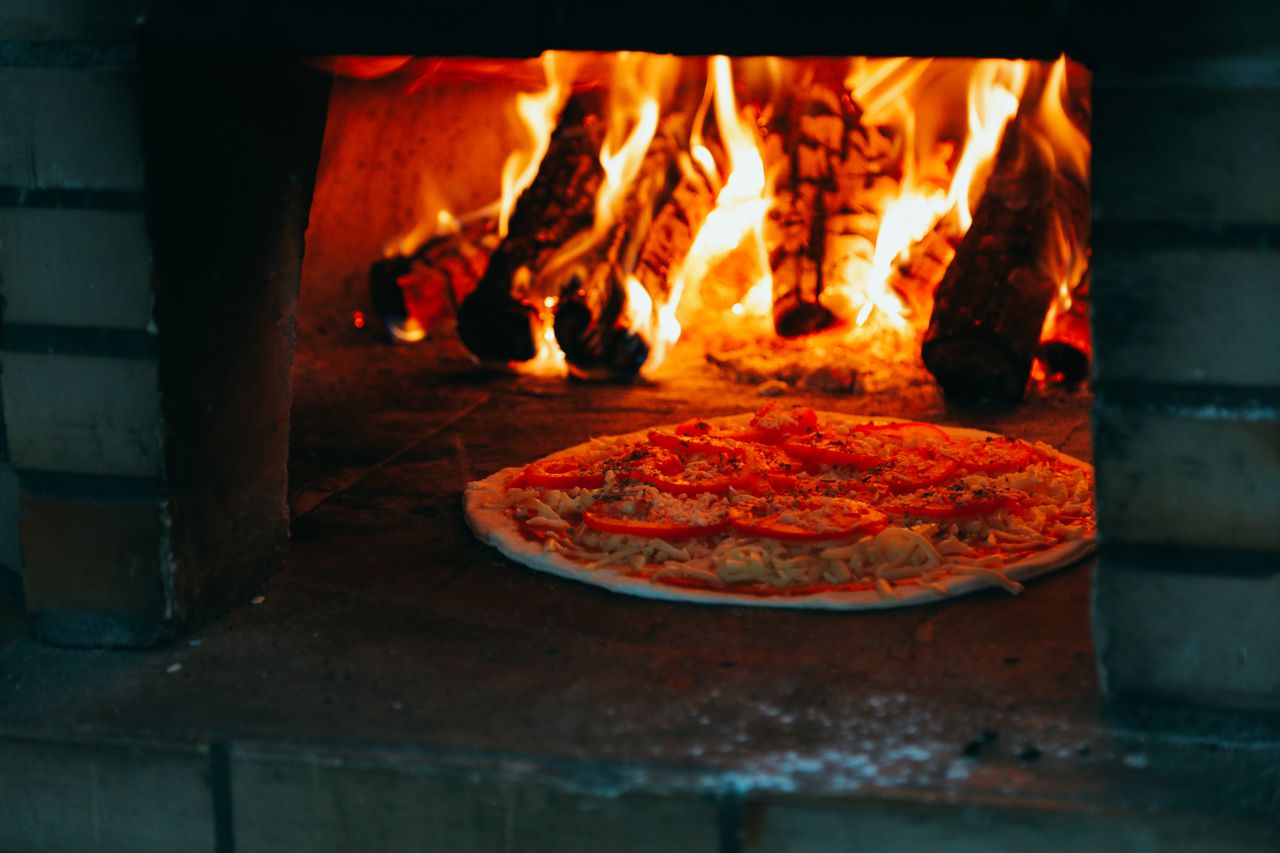
Choosing the right cooking temperature is one of the most important factors when making great pizza at home. While ingredients, dough preparation and cooking technique all matter, heat determines how quickly the base cooks, how the crust develops and how well the toppings come together. Understanding how temperature affects the cooking process makes it easier to achieve consistent results.
The ideal heat depends on the type of pizza being prepared, the oven design and the cooking surface being used. A traditional wood-fired pizza may require significantly higher temperatures than a thicker homemade pizza baked in a conventional outdoor oven. Because of these differences, there is no single temperature that works perfectly for every style.
For anyone comparing different pizza ovens, understanding temperature ranges is particularly useful. It helps with choosing suitable equipment, preparing the cooking surface and knowing when an oven is ready to use. It also reduces the temptation to rely entirely on guesswork when cooking at high heat.
Why Temperature Matters When Cooking Pizza
Pizza dough contains water, flour and other ingredients that react to heat during cooking. As the dough heats up, moisture begins to evaporate while the structure of the crust changes. At the same time, the outer surface develops colour and texture.
Temperature also influences how quickly these processes happen. A very hot oven can cook a thin pizza in a short period, helping the crust become crisp on the outside while remaining light and tender inside.
Lower temperatures generally require longer cooking times. This can work well for thicker bases or recipes with more substantial toppings, but the result will be different from a fast-baked, traditional-style pizza.
The balance between temperature and cooking time is therefore important. Increasing the heat does not automatically produce better pizza. The oven must be capable of distributing that heat effectively, and the dough and toppings need to suit the chosen cooking method.
Typical Temperatures for Different Pizza Styles
Different pizza styles are designed around different cooking conditions. A thin, traditionally inspired pizza is usually associated with very high temperatures and a short cooking time, while thicker homemade pizzas can benefit from more moderate heat.
Many high-temperature ovens are designed to operate in the range of approximately 400°C to 500°C or more. At these temperatures, thin pizzas can cook very quickly. Exact requirements vary according to the recipe, oven design and desired result.
For home cooking, temperatures around 250°C to 350°C can also produce excellent results when the dough and cooking method are suited to that range. The pizza may simply require more time to cook than one prepared in a very high-temperature oven.
Some useful general considerations include:
- Thin bases generally suit higher cooking temperatures and shorter cooking times.
- Thicker bases usually need more time for the centre to cook properly.
- Pizzas with generous toppings may require a balance between browning the surface and cooking the base.
- Different dough recipes can respond differently to the same oven temperature.
These ranges should be treated as practical guidelines rather than strict rules. Your oven’s design and the recipe being used can significantly change the ideal setting.
How Oven Design Affects Heat
Two ovens set to the same temperature may not cook pizza in exactly the same way. Heat can be transferred through direct contact with the cooking surface, hot air circulating around the pizza and radiant heat from the oven’s internal surfaces.
The cooking floor is particularly important. A properly heated stone, refractory surface or similar material can transfer substantial heat into the base of the pizza. This helps create a crisp underside while allowing the upper surface to cook from the surrounding heat.
Insulation also plays an important role. A well-insulated oven can retain heat more effectively, which can make temperature management easier during cooking. Poor heat retention may result in greater temperature fluctuations, particularly when the oven door is opened frequently.
The shape and size of the cooking chamber matter too. Compact ovens can heat rapidly, while larger cooking spaces may take longer to reach a stable temperature.
Why Preheating Is So Important
Preheating is more than simply allowing the air inside the oven to become hot. The cooking surface itself needs enough time to absorb and retain heat.
This is especially important when using a pizza stone or another heat-retaining surface. If the surface is not sufficiently heated, the top of the pizza may brown before the underside has developed the desired texture.
Preheating times vary considerably between appliances. A compact gas or electric oven may reach its target temperature relatively quickly, while a wood-fired model can require more time to heat the cooking chamber and floor evenly.
An oven thermometer can be useful because the temperature displayed by an appliance does not necessarily tell you the exact temperature at the cooking surface. Where appropriate, an infrared thermometer can also help check surface temperature without touching the hot material.
Managing Very High Temperatures
High-temperature cooking requires attention to both equipment and technique. Surfaces inside a hot oven can become extremely hot, and opening the oven can expose the user to intense heat.
Always follow the manufacturer’s instructions for operating the particular oven. Suitable heat-resistant equipment should be used when handling pizza, cookware or fuel around a hot cooking chamber.
When working with wood-fired equipment, fuel choice and fire management can influence the temperature substantially. Adding more fuel can increase heat, but uncontrolled flames may create excessive temperatures or uneven cooking conditions.
A few practical points are worth keeping in mind:
- Keep combustible materials away from the hot oven and cooking area.
- Use appropriate protective equipment when handling hot cookware.
- Allow the oven to cool according to the manufacturer’s recommendations.
- Never assume that an oven surface is safe to touch simply because the visible flame has disappeared.
Safe operation is particularly important when an oven is being used outdoors around children, pets or other people who may not recognise hot surfaces.
How to Tell When the Oven Is Ready
Temperature readings are useful, but the behaviour of the oven can provide additional clues. A properly preheated cooking surface should have had enough time to absorb heat rather than relying only on the surrounding air temperature.
For wood-fired ovens, the appearance and behaviour of the fire can help indicate that the chamber is becoming sufficiently hot. However, visual indicators should not replace proper temperature monitoring where accurate temperature control is important.
The pizza itself also provides feedback. If the underside is becoming dark very quickly while the toppings remain undercooked, the cooking surface may be too hot relative to the upper chamber. Conversely, a pale base combined with slow browning may indicate that the oven or cooking surface needs more heat.
Learning these signs takes practice. Small adjustments to cooking position, temperature and timing can make a noticeable difference.
Temperature Versus Cooking Time
Temperature and cooking time work together. A pizza cooked at a very high temperature may be ready in only a few minutes, whereas one baked at a lower temperature can require considerably longer.
This relationship is important because cooking for too long can dry out the crust. Cooking too quickly at excessive heat can burn the exterior before the interior has cooked sufficiently.
The thickness of the dough is another major factor. A thin crust can withstand a short, intense bake because there is less material to heat through. A thicker base needs sufficient time for heat to reach the centre.
Toppings matter as well. Fresh vegetables, meats and other ingredients contain varying amounts of moisture and may require different cooking conditions. Ingredients that release a lot of water can affect the texture of the finished pizza if the cooking process is not hot enough or sufficiently controlled.
Finding the Right Temperature for Your Oven
There is value in starting with the manufacturer’s recommended operating range and then adjusting the cooking process based on the type of pizza being prepared.
Keep the recipe consistent while experimenting. If the dough, toppings and cooking position all change at once, it becomes difficult to determine what caused an improvement or problem.
It can also help to pay attention to several results rather than judging the pizza by colour alone. Look at the underside, crust texture, topping condition and overall cooking time.
Over time, these observations can help establish a reliable routine for your particular equipment.
Choosing the Right Heat for the Recipe
The best cooking temperature should complement the recipe rather than being selected simply because it is the highest setting available. A delicate thin pizza and a thick, heavily topped pizza may need very different conditions.
Recipes designed for conventional kitchen ovens should not automatically be transferred to extremely high-temperature equipment without considering how quickly the dough and toppings will cook.
Similarly, recipes intended for high-temperature cooking may not produce the same texture when baked at a much lower temperature. Dough hydration, thickness and ingredients all influence how the pizza responds to heat.
Understanding this relationship makes temperature selection much more practical. Instead of searching for one universal number, consider the pizza style, oven type, cooking surface and desired finish together.
Getting Consistent Results
Consistency becomes easier when the main variables are controlled. Try to use similar dough portions, maintain a similar thickness and allow the cooking surface to reach an appropriate temperature before baking.
Avoid opening the oven unnecessarily. Every time the cooking chamber is opened, heat can escape, which may affect cooking conditions and recovery time.
The position of the pizza can matter too. Some areas of an oven may be hotter than others, particularly in wood-fired models. Rotating the pizza during cooking can help expose different sections to the heat and promote more even browning.
For home cooks, the goal does not need to be perfect temperature precision. What matters most is understanding how the oven behaves and matching its heat to the food being cooked.
Making Temperature Work for Better Pizza
Good pizza depends on more than reaching the highest possible temperature. The cooking surface, heat distribution, dough characteristics, toppings and cooking time all interact.
For pizza ovens, temperature should therefore be viewed as one part of a larger cooking system. Once the oven has been properly heated, the next step is learning how that heat transfers into the dough and toppings.
A little experimentation can reveal what works best for your particular setup. Pay attention to the results, make small adjustments and avoid changing several variables at the same time.
With a suitable temperature, adequate preheating and careful heat management, it becomes much easier to produce pizza with a well-cooked base, properly developed crust and evenly prepared toppings. The ideal setting may differ from one oven and recipe to another, but understanding the principles behind temperature makes the process far more predictable.