

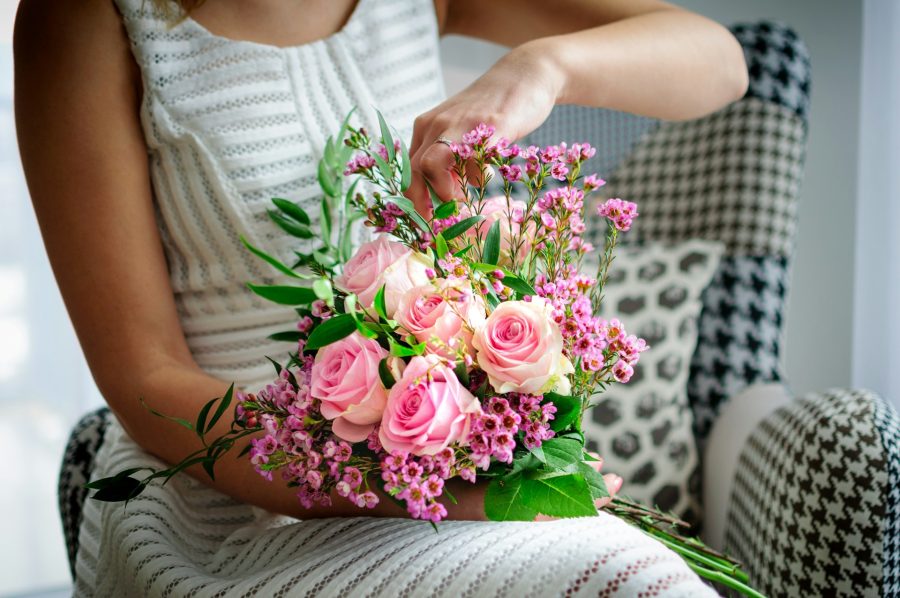
Choosing flowers to express sympathy can be a thoughtful way to show care and support after someone has experienced a loss. Flowers can communicate compassion when words feel difficult to find, while also offering a gentle reminder that the bereaved person is not facing a difficult time alone. The most appropriate choice often depends on the relationship with the family, the setting, and any known preferences.
Traditional sympathy flowers can carry different meanings, but there is no single arrangement that is suitable for every situation. Some flowers are associated with remembrance, peace, love, or hope, while others may simply be chosen because they are elegant and comforting. Personal circumstances should always be considered alongside traditional symbolism.
When selecting flowers, it is also important to think about where they will be received. An arrangement sent to a family home may be different from one intended for a funeral service, memorial gathering, or graveside tribute. A respectful, understated design is often a reliable choice when you are uncertain about what would be most appropriate.
White Flowers for Peace and Remembrance
White flowers are among the most traditional choices for expressing sympathy. Their clean, gentle appearance is often associated with peace, dignity, remembrance, and calm.
White lilies are particularly well known in funeral and memorial arrangements. Their delicate appearance can create a sense of serenity, making them suitable when the intention is to offer comfort without an overly elaborate display.
White roses are another versatile option. Roses can represent love and respect, while their white colour gives the arrangement a restrained and peaceful character.
White chrysanthemums are also used in funeral traditions in various parts of the world. Their meaning can differ between cultures, so it is worth considering the family’s background and customs before choosing them.
Lilies and Their Traditional Meaning
Lilies are frequently associated with funerals and remembrance. Their graceful shape and soft appearance make them a common feature in wreaths, sprays, bouquets, and other memorial arrangements.
The Madonna lily, Oriental lily, and other varieties may be used depending on availability and the desired style. Florists can also combine lilies with foliage and complementary flowers to create a balanced arrangement.
It is worth remembering that floral symbolism is not universal. A flower may have a particular meaning in one culture while carrying a different association elsewhere. The relationship with the recipient and the overall tone of the arrangement are therefore just as important as traditional meanings.
Roses Can Express Love and Respect
Roses are not limited to romantic occasions. In a sympathy arrangement, they can express affection, respect, appreciation, and remembrance.
White roses are generally a safe and understated choice. Pink roses may communicate gentleness, admiration, and affection, making them suitable when the deceased was someone you knew well.
Red roses can have a stronger emotional association with love. They may be appropriate when expressing deep personal affection, particularly for a close family member or partner, although the context should always guide the choice.
When selecting roses for a funeral or memorial, the overall arrangement can make a significant difference. Soft foliage, muted colours, and a simple design can create a more appropriate presentation than a highly decorative bouquet.
Carnations for Lasting Remembrance
Carnations are long-lasting flowers that can work well in sympathy arrangements. Their durability also makes them practical for displays that need to remain presentable for several days.
White carnations can represent remembrance and purity, while pink carnations are often associated with affection and gratitude. Their ruffled appearance adds texture without necessarily making an arrangement feel overly formal.
Carnations can also be combined with roses, chrysanthemums, lilies, or greenery. This makes them useful when creating a fuller arrangement that still has a calm and respectful appearance.
Orchids for a More Personal Tribute
Orchids can provide a more contemporary alternative to traditional funeral flowers. Their distinctive appearance can be particularly suitable when the deceased had an appreciation for plants or elegant floral designs.
White and pale orchids can create a peaceful presentation, while their long-lasting nature may make them suitable for a family home or memorial setting.
An orchid plant can also be considered instead of a cut-flower arrangement. A living plant may provide the family with something they can care for and keep as a lasting reminder, although this depends on the recipient’s preferences and circumstances.
Choosing Flowers Based on the Relationship
The relationship you had with the deceased can influence the type of floral tribute that feels appropriate. A simple arrangement may be suitable for a colleague, neighbour, acquaintance, or business contact, while a more personal tribute may be fitting for a close friend or family member.
There is no need to choose the largest or most elaborate arrangement to demonstrate genuine sympathy. A carefully selected bouquet can be meaningful because of the thought behind it rather than its size or cost.
Consider factors such as:
- How closely you knew the deceased or their family
- Whether the flowers are for the funeral, home, or memorial service
- Whether the family has expressed any preferences
- Whether the arrangement reflects the person’s personality or interests
A personal connection can sometimes make a simple choice especially meaningful. For example, flowers in a person’s favourite colour may be more significant to their family than a traditional arrangement chosen without considering their personality.
Colour Choices Can Affect the Tone
Colour is another factor to consider when choosing sympathy flowers. Neutral and soft shades are often selected because they create a calm and respectful atmosphere.
White is associated with peace and remembrance, while pale pink can convey tenderness and affection. Soft purple is sometimes associated with dignity, spirituality, or remembrance.
Brighter colours are not automatically inappropriate. If the deceased was known for enjoying vibrant colours, a colourful arrangement may be a meaningful reflection of their personality.
The key is to consider the overall setting. A cheerful arrangement can be appropriate when it reflects the person being remembered, while muted tones may be better suited to a formal funeral service.
Consider the Family’s Culture and Traditions
Funeral customs can vary considerably between families, communities, and cultures. A flower that is considered respectful in one tradition may have a different meaning in another.
Some cultures have specific preferences concerning flower types, colours, arrangements, or whether flowers should be sent at all. Religious customs may also influence how floral tributes are viewed.
If you know the family’s traditions, take them into account before placing an order. When you are uncertain, a local florist may be able to explain common practices without making assumptions about the family’s beliefs.
Respecting cultural and religious customs is often more important than following general flower symbolism.
Funeral Arrangements and Sympathy Bouquets
The format of the flowers can be just as important as the flowers themselves. Different arrangements are designed for different settings and purposes.
A bouquet may be suitable for delivery to the family home, while a wreath or formal floral tribute may be more appropriate for a funeral service. A smaller arrangement can also be suitable when sending condolences to a colleague or acquaintance.
Some common choices include:
- Hand-tied bouquets for sending directly to the family
- Wreaths for funeral or memorial services
- Standing arrangements for larger venues
- Smaller bouquets for personal condolences
- Potted plants for a longer-lasting tribute
The size of the venue should also be considered. A very large arrangement may be difficult for a family to manage after a service, particularly if there are already many floral tributes.
When a Simple Arrangement Is the Better Choice
Sympathy flowers do not need to be elaborate. In many circumstances, simplicity can make an arrangement feel more sincere and appropriate.
A small bouquet of carefully selected flowers can communicate sympathy without placing an unnecessary burden on the family. This can be especially relevant when flowers are delivered to a home, where the recipient may have limited space or may be dealing with many practical responsibilities.
The same principle applies to colour and decoration. An arrangement does not need excessive ribbons, ornaments, or contrasting flowers to have meaning. A restrained design can often provide the quiet visual expression that is appropriate during mourning.
Personalising the Floral Tribute
Personalisation can make a floral tribute more meaningful when it is done thoughtfully. Consider the person’s favourite flowers, colours, hobbies, or connection to nature.
For example, someone who loved gardening may be remembered with a plant or a selection of seasonal flowers. Someone known for appreciating roses might be honoured with a simple rose arrangement.
Personalisation should still respect the circumstances. The purpose is not to create an elaborate display, but to reflect something genuine about the person who has died.
A short sympathy message can also accompany the flowers. Words do not need to be elaborate. A sincere expression of support and remembrance is often enough.
What to Consider Before Ordering
Before choosing an arrangement, take a moment to consider the practical details. This can help ensure that the flowers are appropriate, manageable, and delivered to the right place.
Think about the timing of the funeral or memorial service, the delivery address, the preferred arrangement style, and whether the family has made any requests regarding flowers.
If the funeral service is being held at a venue, it can also be useful to confirm delivery arrangements beforehand. Funeral homes, churches, memorial venues, and other locations may have their own procedures for receiving floral tributes.
When ordering sympathy flowers, providing accurate information is particularly important because the family may be receiving several arrangements from different people at the same time.
Flowers Are One Way to Show Support
There is no universal formula for choosing the right flowers after a loss. The most suitable choice is usually one that reflects the circumstances, respects the family’s wishes, and communicates genuine care.
Lilies, roses, carnations, chrysanthemums, orchids, and other flowers can all be appropriate depending on the situation. Colour, arrangement style, cultural traditions, and the relationship with the deceased can help guide the decision.
Ultimately, the meaning behind the gesture matters more than following a strict set of floral rules. A thoughtful arrangement, chosen with sensitivity, can provide a quiet expression of sympathy and remind the bereaved that others are thinking of them during a difficult period.